
How Cloth is Made
A trip to one of England's last remaining wool mills

The train arrived in Slaithwaite, a town about an hour outside of Manchester, England, around 4:30 in the afternoon, and I could barely contain my excitement. It was late October, and the sun was setting. I had been to England a few times, but my trips were confined to London. I had heard tales of what the countryside in northern England was like, but I was excited to see it for myself.
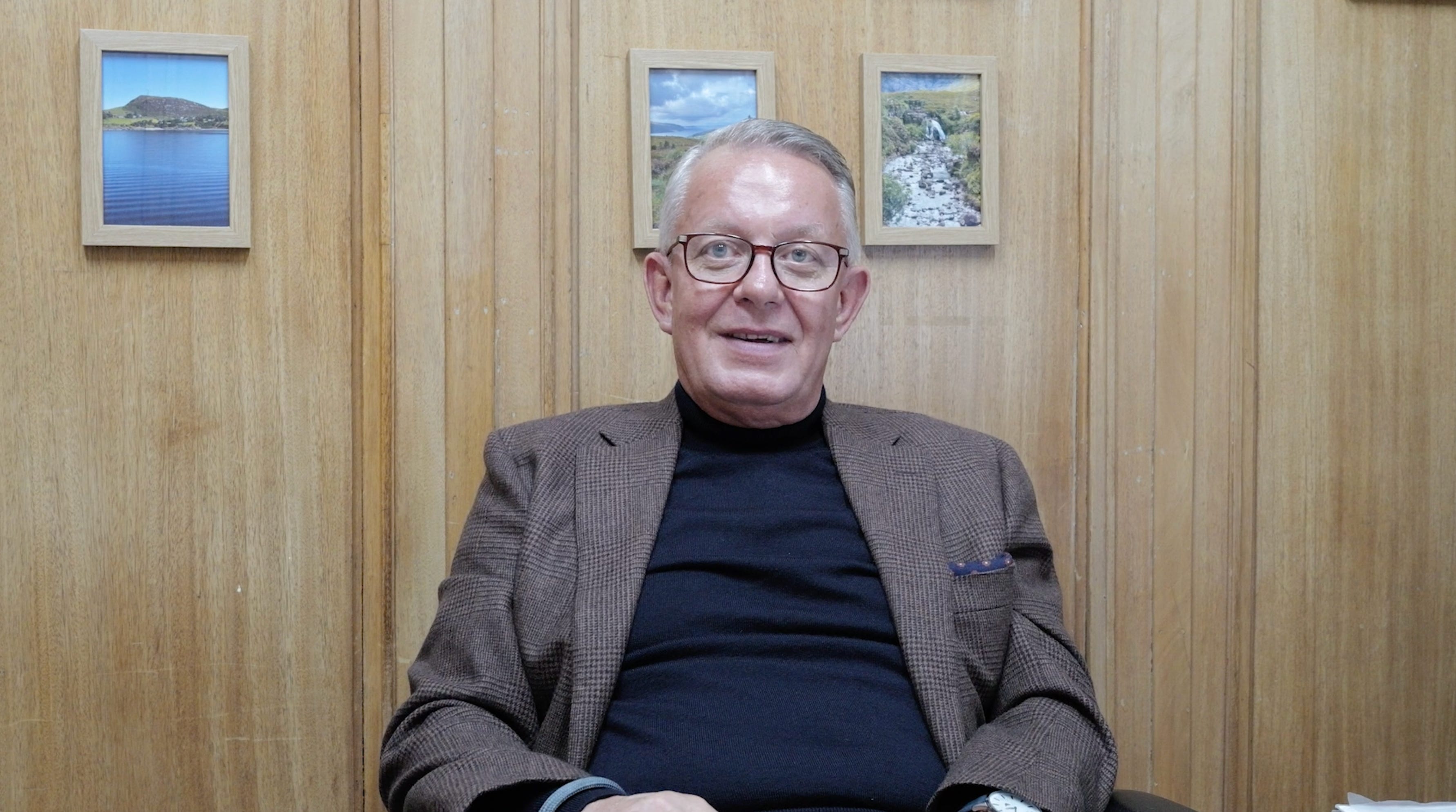
I was there to meet Mark Garrett, who runs one of the leading—and one of the only—remaining mills in England, Marling and Evans. He picked me up, and when I put my luggage in his trunk, I had to put it on a few rolls of beautiful fabric that he had in his trunk. I knew I was in the right place.
Marling and Evans was founded in 1782. Yes, 1782. Mark's been in charge of the company for a while now. Despite my love for suits and tailored clothing, I do not know how the fabric is made. I have heard of a loom, and I know there were rolls of fabric involved, but I had no idea how wool went from sheep to fabric rolls, and I set out to change that. I'm thrilled to report that this is the subject of my latest video—How Cloth is Made.
What I witnessed at Marling and Evans surpassed all my expectations. The sheer scale and precision of fabric production were awe-inspiring. It's a privilege to share this remarkable story with you, a tale I hope you will find as enjoyable as I did.
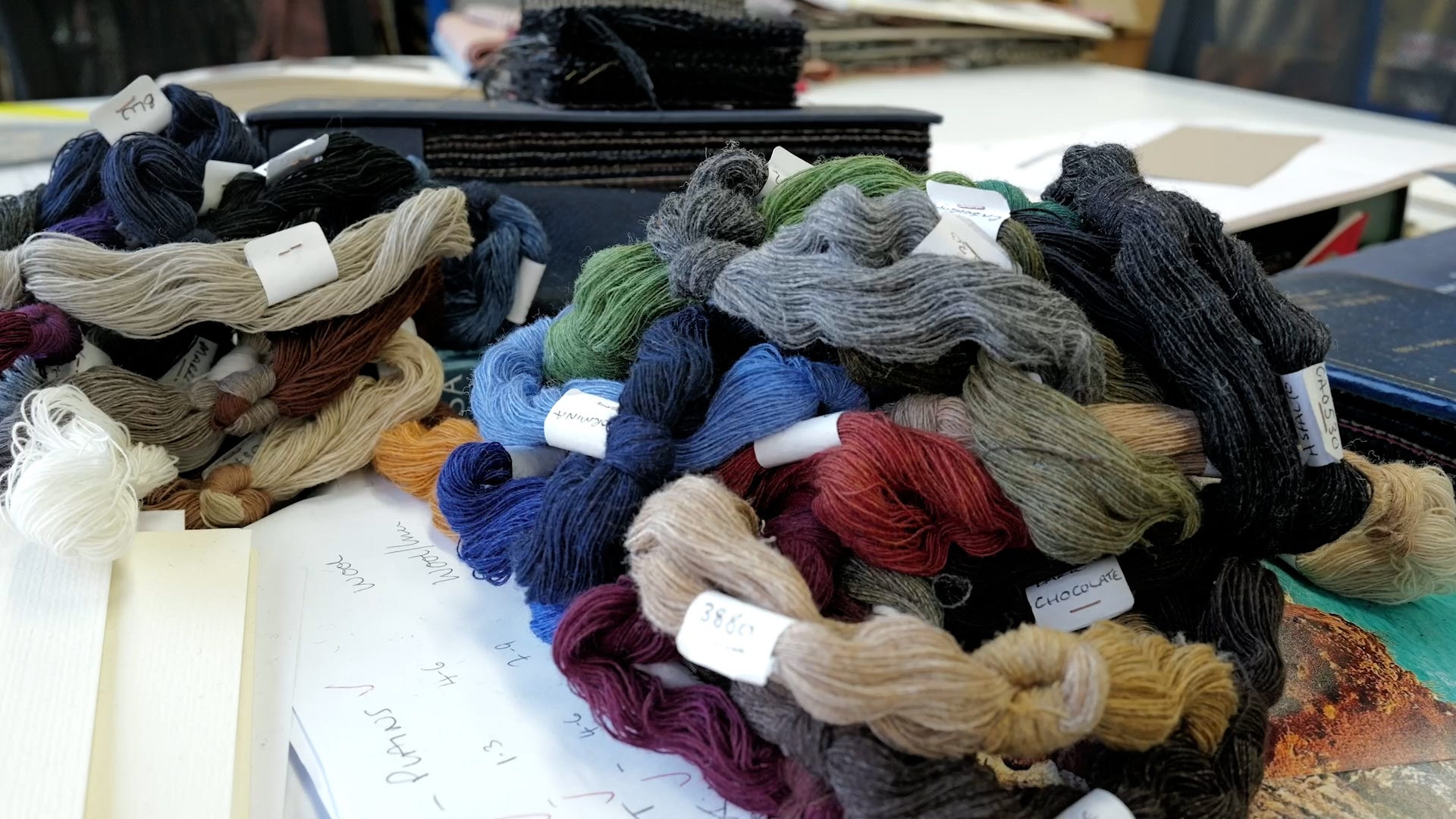
Slaithwaite is a town in Yorkshire, northern England, situated right outside Huddersfield. In its heyday, the 1800s and early 1900s, Huddersfield was the center of worldwide fabric production. Mark took me through the office, which was filled with fabric samples and beautiful artboards, and then onto the production floor.
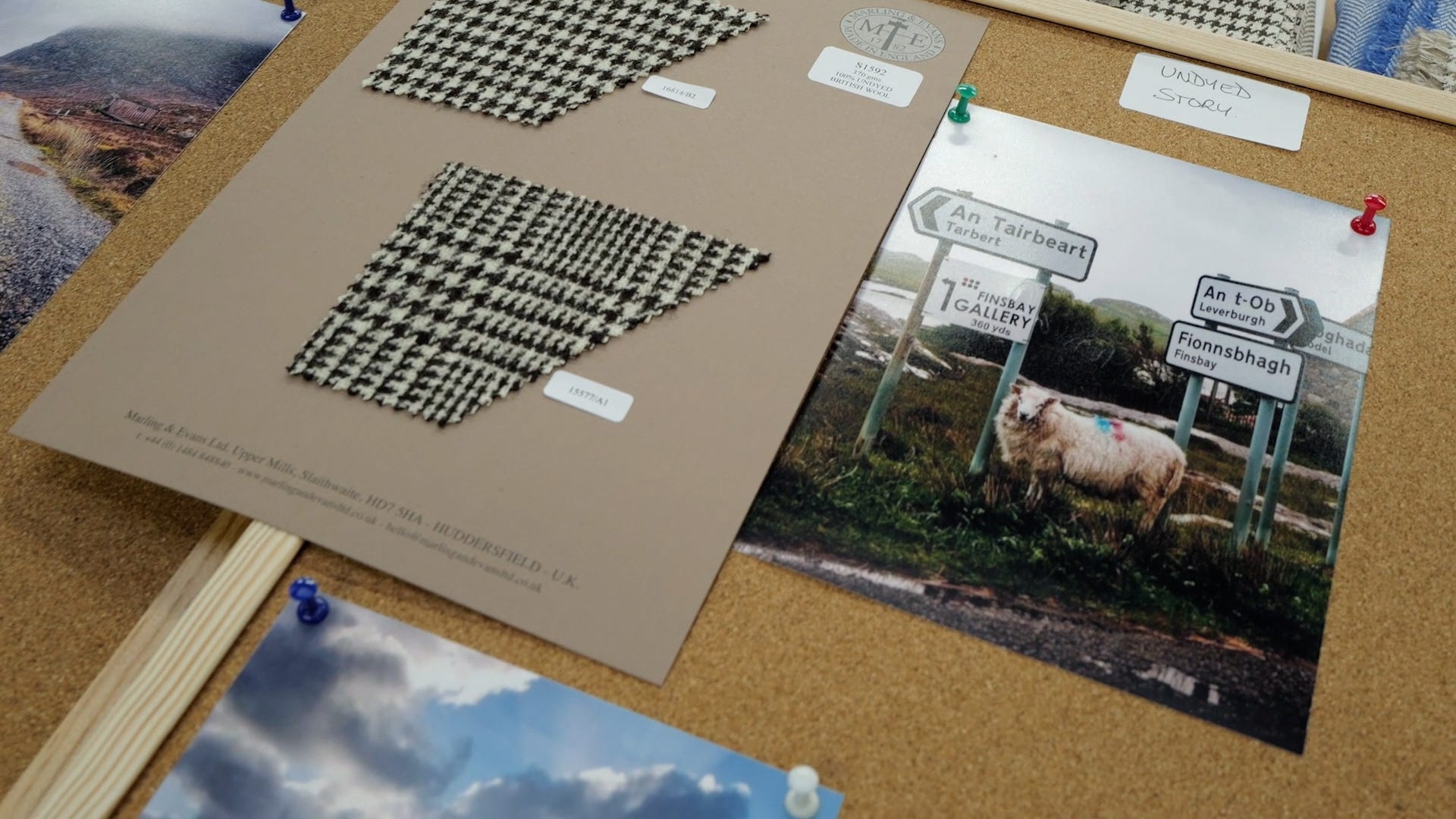
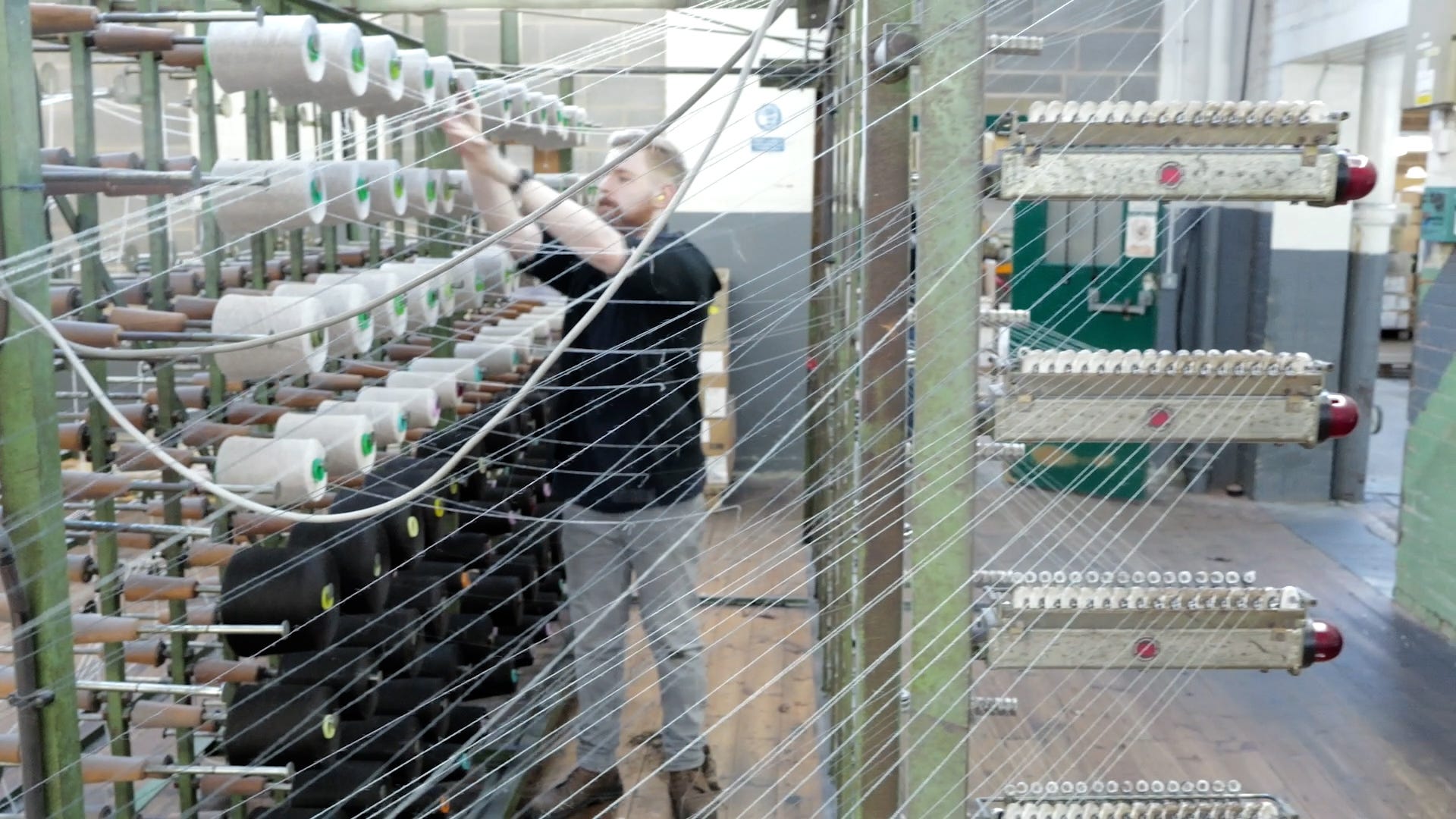
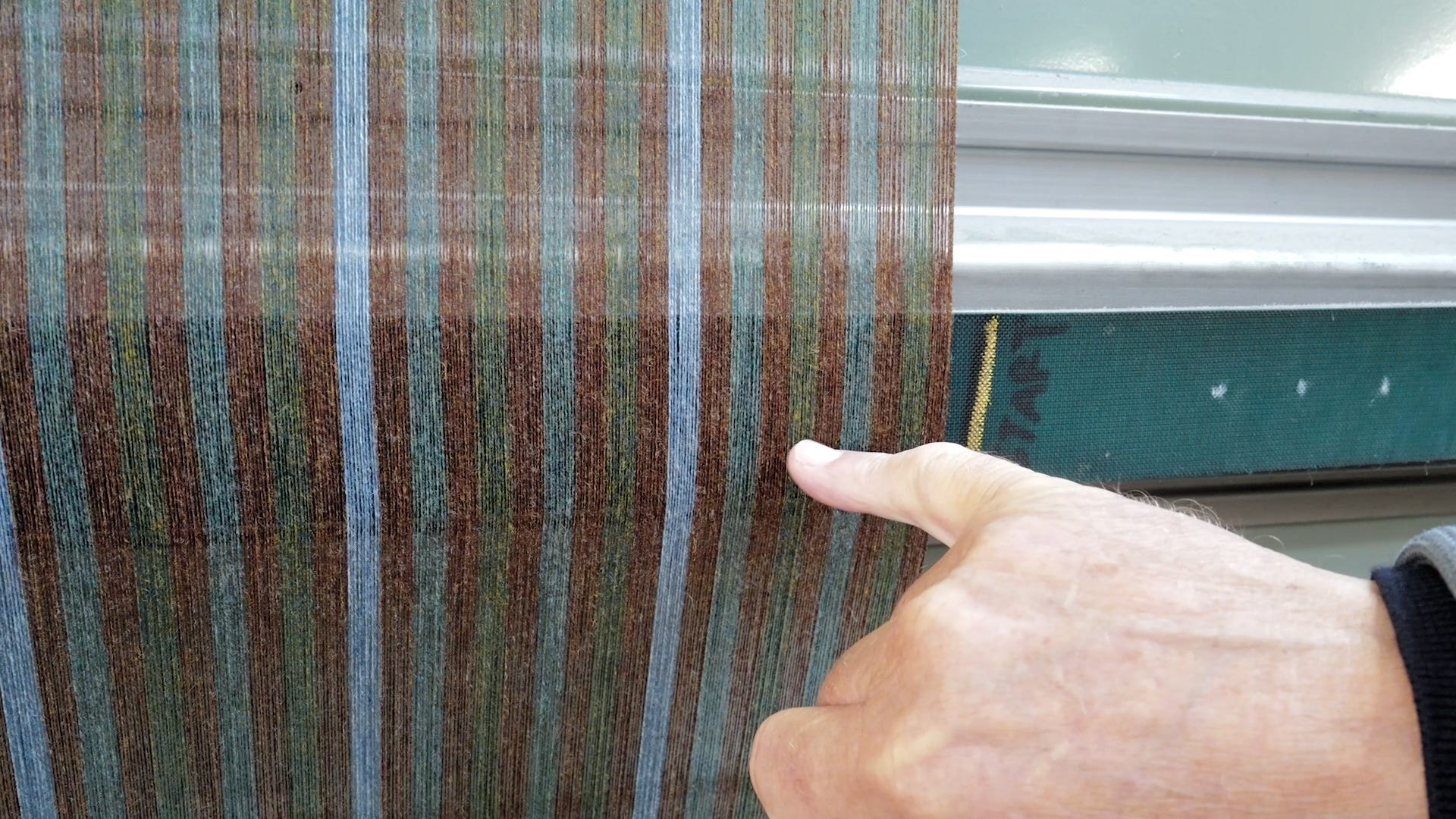
Mark guided me through the mill floor, where the rhythmic sounds of the looms filled the air. The warping and wefting process, explained by Mark, was a fascinating sight. The walls were adorned with hundreds of rolls of fabric, each a testament to the 270-year history of this company. It was a journey back in time, a time when fabric production was the dominant industry.
After walking through the mill, I thought I was done, but I quickly learned this was half the process. The other half was at the finisher, which I had no clue what they did. When I went there, I was blown away. Some of the loveliest fabrics in the world are made by heavy machinery. I will talk more in detail about the visit on Thursday, but for now, I'd encourage you to watch the video.
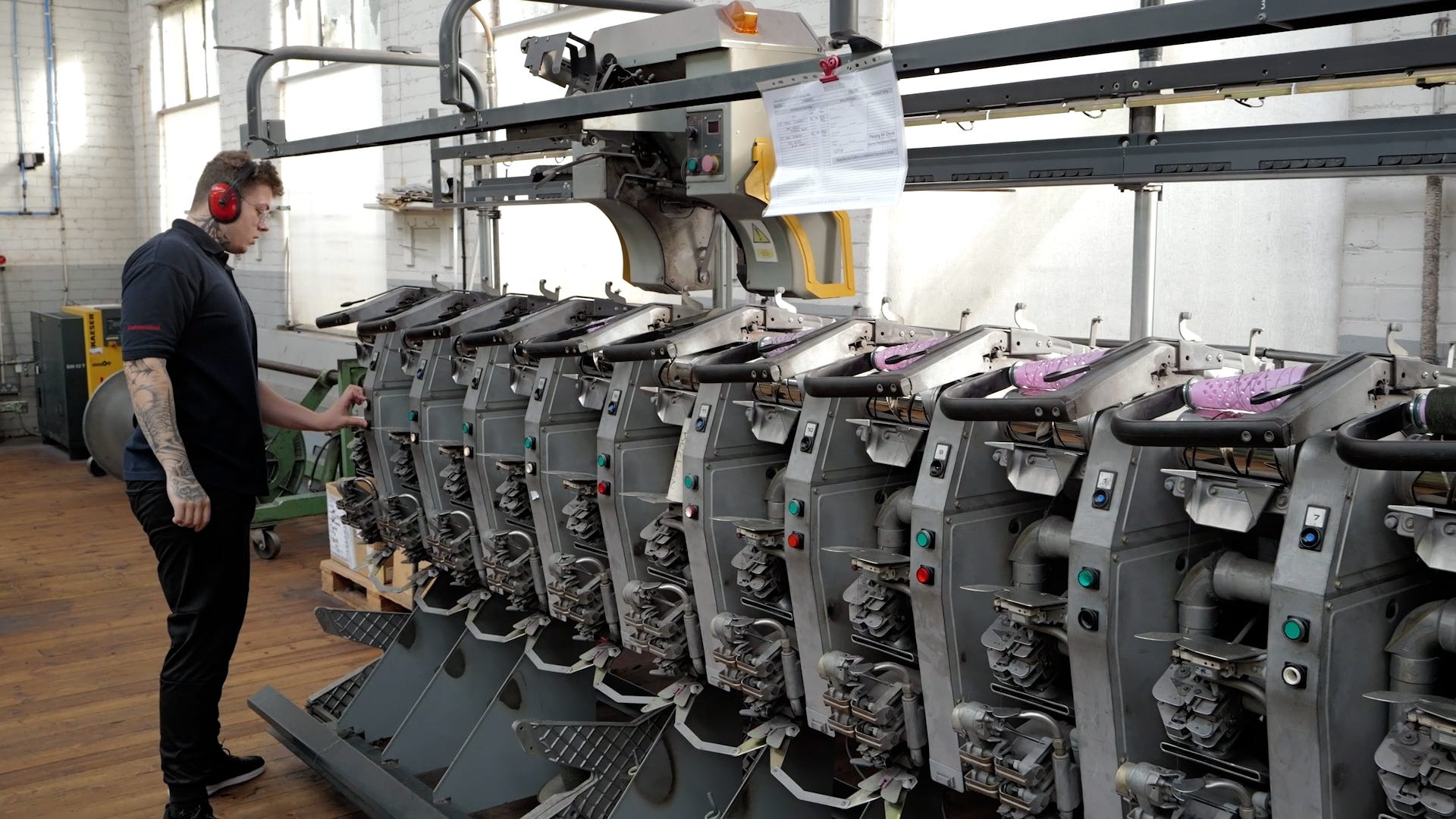
This video is my tribute to these mills and the dedicated individuals who keep them running. The fabric production industry, once a thriving force in this region, is now facing a decline. Jobs are being outsourced, and the demand for tailored garments is diminishing. Despite being a relative newcomer to the industry, it was on this trip and this day that I realized that if I could shed some more light on these mills, the people behind them, and the products they produce through my newsletter or videos, then I should because once these mills are gone, they are never coming back.
